A roof inspection plays a vital role in maintaining the health and longevity of a home. By understanding what to expect during this process, homeowners can better prepare for potential outcomes. Inspections help identify problems early, potentially saving homeowners significant time and expense. Many homeowners underestimate the importance of regular inspections. This guide aims to elucidate the steps involved and their significance.
1. Initial Assessment and Preparation
1.1 Scheduling the Inspection
Choosing the right time and qualified inspector is crucial in the roof inspection process. Roof inspections should ideally be scheduled during dry weather to ensure the inspector has a safe and comprehensive view of the roof. Homeowners are encouraged to select inspectors who are certified and have substantial experience. Reliable professionals can often be found through recommendations from real estate agents or neighbors. For instance, according to IBISWorld, there are over 249,000 roofers in the United States, highlighting the availability of skilled labor.
This large number signifies the abundance of choice, which calls for careful selection. Checking reviews and testimonials can ensure the chosen professionals are adequately skilled. Additionally, homeowners should inquire about the inspector's credentials and ask for proof of insurance. Proper scheduling might prevent further damage or address issues before they escalate. Thus, an informed decision can make or break the inspection's effectiveness.
Proactively planning an inspection can set the tone for the entire roofing process. Selecting a time that aligns with both the homeowner's and inspector's schedules prescribes efficiency from the start. It adds a layer of convenience to otherwise daunting maintenance tasks. Moreover, inspections carried out at regular intervals highlight minor concerns before they evolve into significant problems. Establishing a routine cycle for inspections is an essential part of comprehensive home care.
1.2 Inspector’s Arrival and Equipment Check
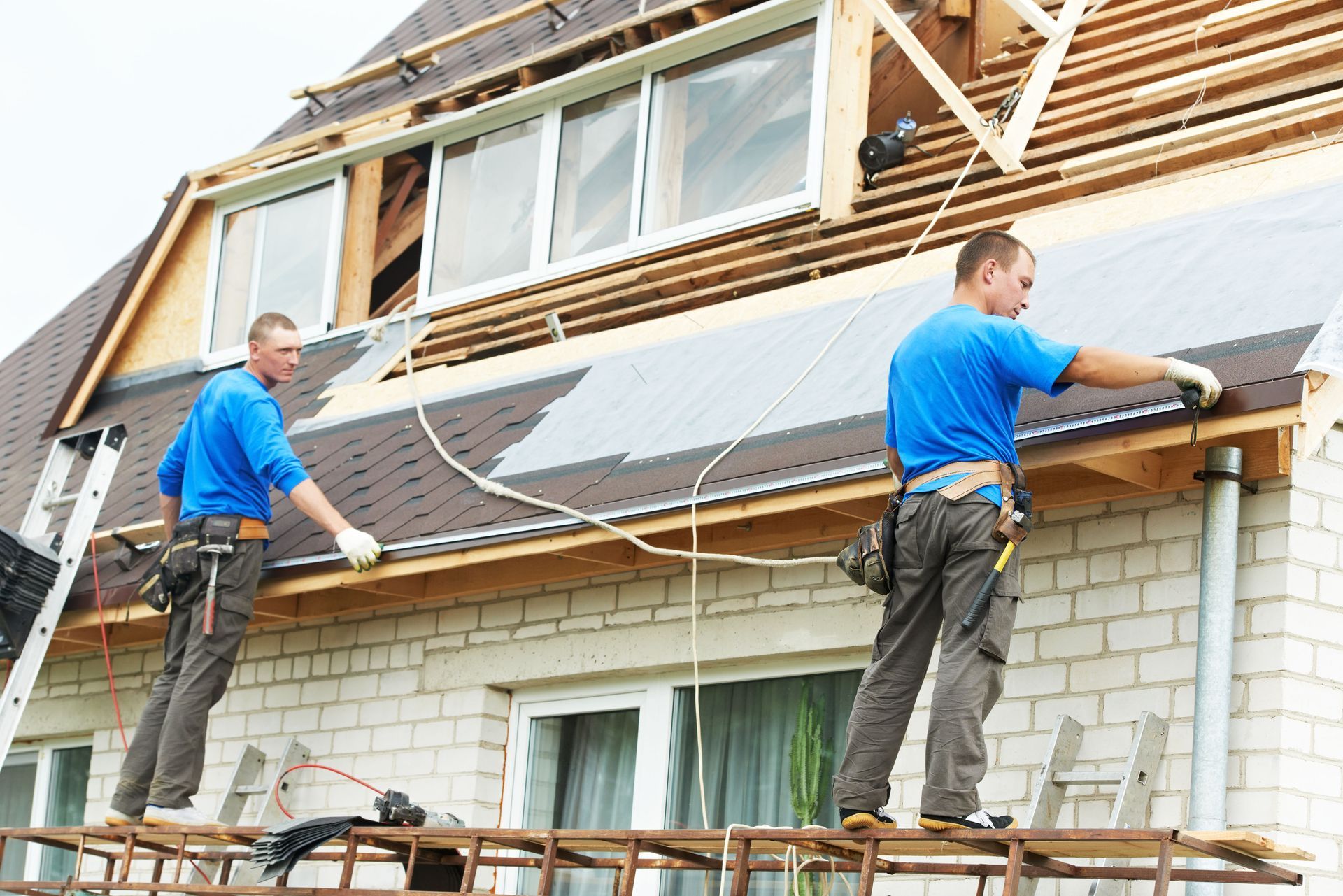
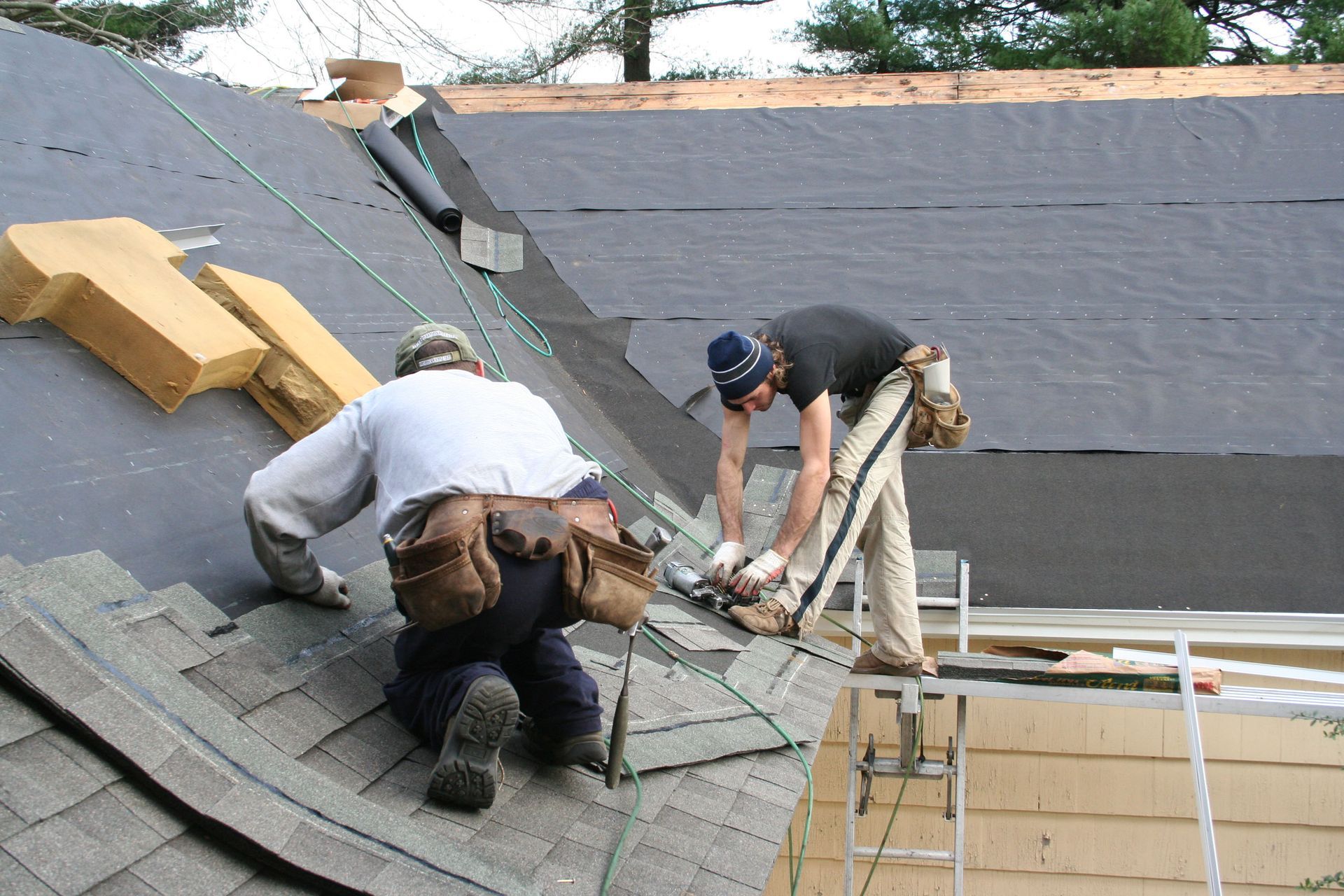
When the inspector arrives, homeowners should be prepared for a thorough process. The inspector typically comes equipped with items like ladders, drones, binoculars, and moisture meters. All tools aim to ensure a comprehensive inspection of both visible and hidden aspects of the roof. It's paramount that the inspector checks all equipment before commencing to avoid any disruptions. Initial equipment checks are a safety protocol, ensuring reliable and accurate outcomes.
Communication during this stage builds comfort and trust. The inspector will usually inform the homeowner of the steps they’ll be taking. Transparency at this phase lays the groundwork for the remainder of the inspection. Homeowners can also ask questions, helping them understand how their property will be evaluated. These interactions can alleviate anxieties tied to the inspection results.
The pre-inspection phase is instrumental in setting expectations. Finalizing any paperwork and understanding potential fees is usually addressed initially. The clearer these aspects are laid out, the smoother the subsequent processes typically unfold. This stage is designed to foster collaboration between the homeowner and inspector. Proactively engaging in this initial phase can position homeowners advantageously when delving into the findings later.
1.3 Initial Exterior Inspection
The inspector begins with a visual assessment of the property's surroundings. This check highlights any obvious concerns visible from the ground. From potential sagging to missing shingles, these indicators often suggest deeper issues that require further examination. Even the landscaping around the home might be reviewed to identify any contributing factors to roof concerns. Such simple evaluations establish a baseline understanding before moving to more focused areas.
This exterior check primarily scans for visible signs of wear and tear. It's designed to identify immediate risks to safety and integrity. These observations are valuable as they often reveal problems that are invisible from inside the home. The goal is to piece together all available evidence to provide a clearer picture of the roof's current state. Functionality and aesthetics are both considered in this broader visual assessment.
Insights from the initial exterior inspection inform subsequent, more detailed evaluations. Any discovered issues become focal points for further analysis. Building this foundational understanding equips both homeowner and inspector for what’s imminent. This phase is a vital component, setting the context for internal findings. Thorough attention here lays the foundation for a more exhaustive understanding of the roof's overall condition.
1.4 Client Briefing
A preliminary discussion takes place before the roof is accessed. This briefing serves to align expectations for the inspection. Essential protocols, timings, and potential findings are discussed. Ensuring both parties are on the same page avoids confusion later and allows for pointed focus areas during the inspection itself. Clarity helps streamline the process, benefitting both homeowner and inspector alike.
During the briefing, the inspector typically shares insights from the initial visual assessment. Engaging in this dialogue can offer homeowners a preliminary glimpse into what might unfold. It's also an opportunity for addressing any concerns the homeowner might have observed. Addressing these early allows the inspector to tailor the inspection to specific areas of concern. This proactive approach saves time and enhances the overall inspection value.
Post-briefing, homeowners can feel more confident in what follows. Establishing common ground prioritizes transparency and promotes a productive environment. Insights gained here prepare homeowners for future discussions about potential findings. It's a moment to foster understanding, where the professional’s expertise meets the client's concerns. This symbiotic relationship bolsters the inspection outcome's efficacy.
1.5 Safety Considerations
Safety during roof inspections is paramount. Inspectors follow stringent safety measures, employing harnesses, helmets, and non-slip footwear when accessing a roof. Safety is non-negotiable, given the inherent risks involved with working at heights. These considerations are not just about protecting the inspector but also ensuring the homeowner's property remains unharmed. Professionals are trained to handle emergencies and mitigate risks proactively.
Precautions extend beyond physical safety for the inspector. Equipment used is cleaned, maintained, and checked for faults regularly to prevent disruptions during the inspection. Safety planning is a collaborative exercise, keeping all personnel and property safe from potential hazards. The roof is a pivotal part of home infrastructure; checking it should not introduce further risks. Efficiency and efficacy follow closely behind safety in priority.
Addressing safety upfront assures homeowners. Knowing every parameter is cautiously put in place is comforting. It demonstrates the inspector's competency and commitment to executing the job responsibly. Safety shouldn’t be perceived as an obstacle but a foundation upon which successful inspections are built. Ultimately, integrity and safety intertwine, solidifying the credibility of both the inspector and the process.
2. External Roof Examination
2.1 Shingle Examination
Shingles are the roof's first line of defense against the elements. Inspectors closely evaluate their condition during a roof examination. They look for signs of aging, missing shingles, and improper installation. Shingle wear and tear offer valuable insights into the roof's long-term resilience. Areas showing heavy degradation may signal an urgent need for repair or replacement.
Particularly, cracked or curled shingles indicate water damage or excessive heat exposure over time. The inspector's trained eye can differentiate between minor issues and significant risks. Specialized tools often assist in this process, ensuring accurate evaluations. Meanwhile, color variations might indicate algae growth, a problem that requires addressing. The roof's health is directly linked to the durability of its shingles.
Proactive shingle assessment prevents potential headaches down the line. Identifying problems early empowers the homeowner to make informed decisions about maintenance. The expert's report will often include photographs of affected areas and recommendations for rectification. Consistency in shingle inspections helps uphold the roof's aesthetic and functional integrity. Overlooking shingle conditions could lead to costly repairs, emphasizing the need for diligence. Be sure to reach out to Pine Belt Gutters & Baggett Roofing today for more information on one of the top roofing companies around!