March 18, 2026
Residential roofs endure constant exposure to weather, temperature changes, debris, and normal aging. Over time, these conditions can lead to a range of issues that affect the durability and performance of the roofing system. When small concerns go unnoticed, they can grow into costly structural problems that require significant repairs. Understanding the most common challenges associated with residential roofing helps homeowners recognize warning signs early and take steps to protect their homes.
Regular inspections, proper maintenance, and informed decision-making all play important roles in preventing roof damage. By learning about the most frequent roofing problems and the strategies that help avoid them, homeowners can extend the life of their roofs and maintain a safe living environment. Understanding how roofing systems respond to weather, aging materials, and structural stress helps homeowners recognize potential concerns before they become costly repairs.
1. Identify and Prevent Roof Leaks
Roof leaks remain one of the most frequent challenges in residential roofing systems. Leaks often begin with small vulnerabilities such as deteriorating sealant, damaged flashing, or missing shingles that allow moisture to penetrate the roof structure. Severe weather, including heavy rain or wind, can worsen these weaknesses and push water beneath roofing materials. Poor installation practices can also contribute to leaks by leaving gaps around chimneys, vents, or skylights where water can enter the home.
Homeowners can often identify early signs of a leak before serious damage occurs. Water stains on ceilings, peeling paint near rooflines, or a musty odor in the attic may indicate moisture intrusion. Sometimes the warning signs appear only during intense rainfall, making periodic attic inspections especially valuable. Detecting problems early allows homeowners to address minor repairs before interior damage develops.
Preventing leaks requires consistent roof maintenance and routine inspections. Clearing debris from gutters helps water drain properly and prevents pooling that can force moisture beneath shingles. Replacing loose shingles, repairing flashing, and resealing vulnerable areas also strengthen the overall performance of residential roofing systems. When these preventative measures become part of regular home maintenance, the likelihood of significant water intrusion decreases substantially.
2. Monitor and Maintain Shingle Condition
Shingles play a central role in protecting residential roofing structures from moisture and environmental damage. Over time, shingles may experience curling, cracking, or granule loss due to temperature fluctuations, sunlight exposure, and aging materials. These changes weaken the protective barrier of the roof and make it easier for water to reach the underlying layers.
External conditions can accelerate shingle deterioration. High winds may loosen or remove shingles entirely, while hailstorms can create fractures that compromise their durability. According to RubyHome, asphalt shingles are installed in roughly 75% of roofing projects, which highlights how widely they are used and why proper installation and maintenance practices are so important for homeowners.
Routine visual inspections allow homeowners to detect shingle problems early. Signs such as uneven surfaces, scattered granules in gutters, or missing sections of shingles should be addressed promptly. Replacing individual damaged shingles can restore protection in localized areas, while more widespread deterioration may require larger repairs. By staying attentive to shingle condition, homeowners can preserve the effectiveness of their residential roofing systems.
3. Improve Roof Ventilation
Ventilation plays a crucial role in maintaining a healthy residential roofing environment. Proper airflow allows warm, moist air to escape from the attic while drawing in cooler outside air. This balance helps prevent excessive heat buildup that can damage roofing materials and shorten their lifespan.
When ventilation is inadequate, moisture can accumulate in attic spaces and create conditions that support mold growth or wood rot. Homeowners may notice increased indoor temperatures, rising energy bills, or condensation forming on attic surfaces. These indicators often suggest that the roofing system lacks sufficient airflow to regulate heat and humidity effectively.
Improving ventilation typically involves installing or adjusting ridge vents, soffit vents, or other airflow solutions that promote consistent air movement through the attic. Roofing professionals can evaluate the structure of a home and recommend the most effective ventilation strategy. When ventilation is properly designed, roofing systems remain more stable and energy efficient throughout the year.
4. Maintain Clean and Functional Gutters
Gutters are closely connected to the health of residential roofing systems because they guide rainwater safely away from the roof and foundation. When gutters become clogged with leaves, twigs, and debris, water can accumulate and overflow. This overflow may force moisture beneath shingles or allow water to pool along the roofline.
Standing water inside gutters also increases their weight and places stress on the roof’s edge. Over time, this pressure can loosen fasteners or cause gutters to sag away from the home. In severe situations, trapped moisture may contribute to rot in roof decking or fascia boards.
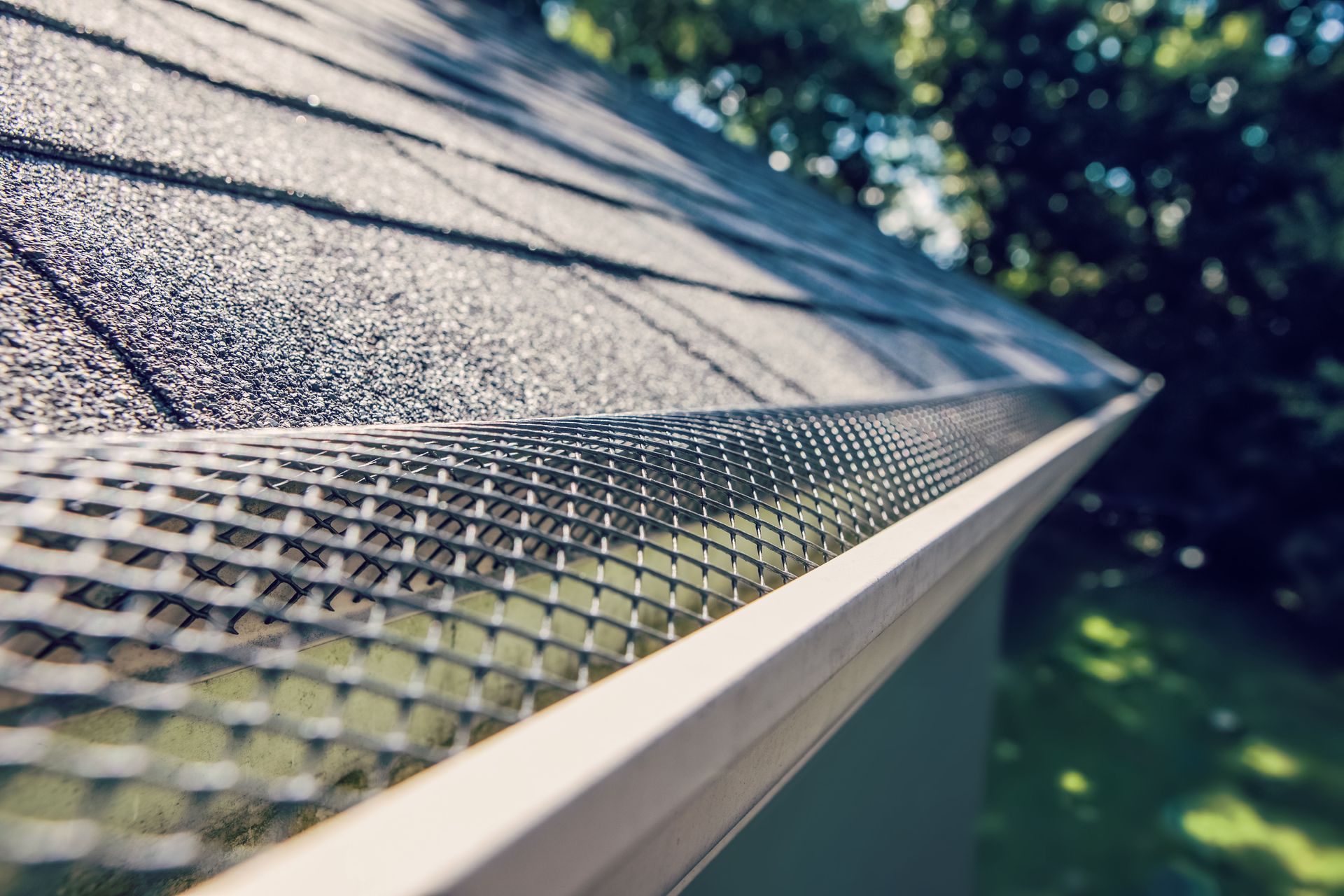
Regular gutter cleaning helps prevent these issues and supports proper drainage. Homeowners often remove debris with basic tools and flush the system with a garden hose to ensure water flows freely. Installing gutter guards can further reduce the buildup of leaves and other materials. Maintaining clear gutters protects both the roof structure and the broader roofing system.
5. Address Roof Punctures and Structural Damage
Punctures and holes can develop in residential roofing systems for several reasons. Severe storms sometimes send branches or debris onto the roof with enough force to damage shingles or underlayment. Heavy foot traffic during inspections or installations may also weaken roofing materials if care is not taken when walking on the surface.
Wildlife activity can create another source of punctures. Animals searching for shelter may claw or chew through roofing components in an attempt to enter attic spaces. Even small openings created in this way can allow water to seep inside and gradually damage insulation or wooden structures beneath the roof.
Identifying punctures early helps prevent widespread deterioration. Homeowners should watch for missing shingles, exposed underlayment, or interior signs of moisture that suggest a breach in the roof surface. Temporary repairs such as sealant or protective coverings can reduce immediate risks, but professional repairs typically provide the most durable solution. Prompt action helps maintain the long-term integrity of roofing systems.
6. Prevent Moss and Algae Growth
Moss and algae commonly appear on roofs that remain damp or shaded for extended periods. Areas beneath overhanging trees or sections of the roof that receive limited sunlight tend to retain moisture longer than exposed surfaces. This environment creates ideal conditions for organic growth to develop and spread across shingles.
Although algae often appears as dark streaks that mainly affect appearance, moss can cause more serious damage. As moss grows, it traps moisture against the roofing surface and may lift shingles away from the deck. This movement can expose vulnerable areas and increase the likelihood of leaks developing within the roofing structure.
Preventing moss and algae growth usually begins with improving sunlight exposure and reducing moisture retention. Trimming nearby branches allows more light to reach the roof and helps keep surfaces dry. Some homeowners install metal strips along the roof ridge, which release natural compounds that discourage moss formation during rainfall. Regular roof cleaning and debris removal further support the long-term performance of roofing systems.
By understanding the common problems associated with residential roofing and taking proactive steps to prevent them, homeowners can maintain stronger, longer-lasting roofs. If concerns arise or professional guidance is needed, our team at Pine Belt Gutters & Baggett Roofing is ready to help evaluate your roof and provide dependable solutions for protecting your home.