January 13, 2026
The roof is arguably the most critical component of your home's defense system. It stands guard against the elements — sun, rain, snow, and wind — keeping your family and possessions safe and dry. Because it's constantly exposed, wear and tear are inevitable. However, recognizing the early signs of damage is crucial for preventing minor issues from escalating into major, costly disasters. Waiting too long can lead to structural damage, mold growth, and a significant depreciation of your property's value. If you spot any of the warning signs below, it's time to pick up the phone and contact a professional roofing contractor immediately.
You See Shingles That Are Damaged or Missing
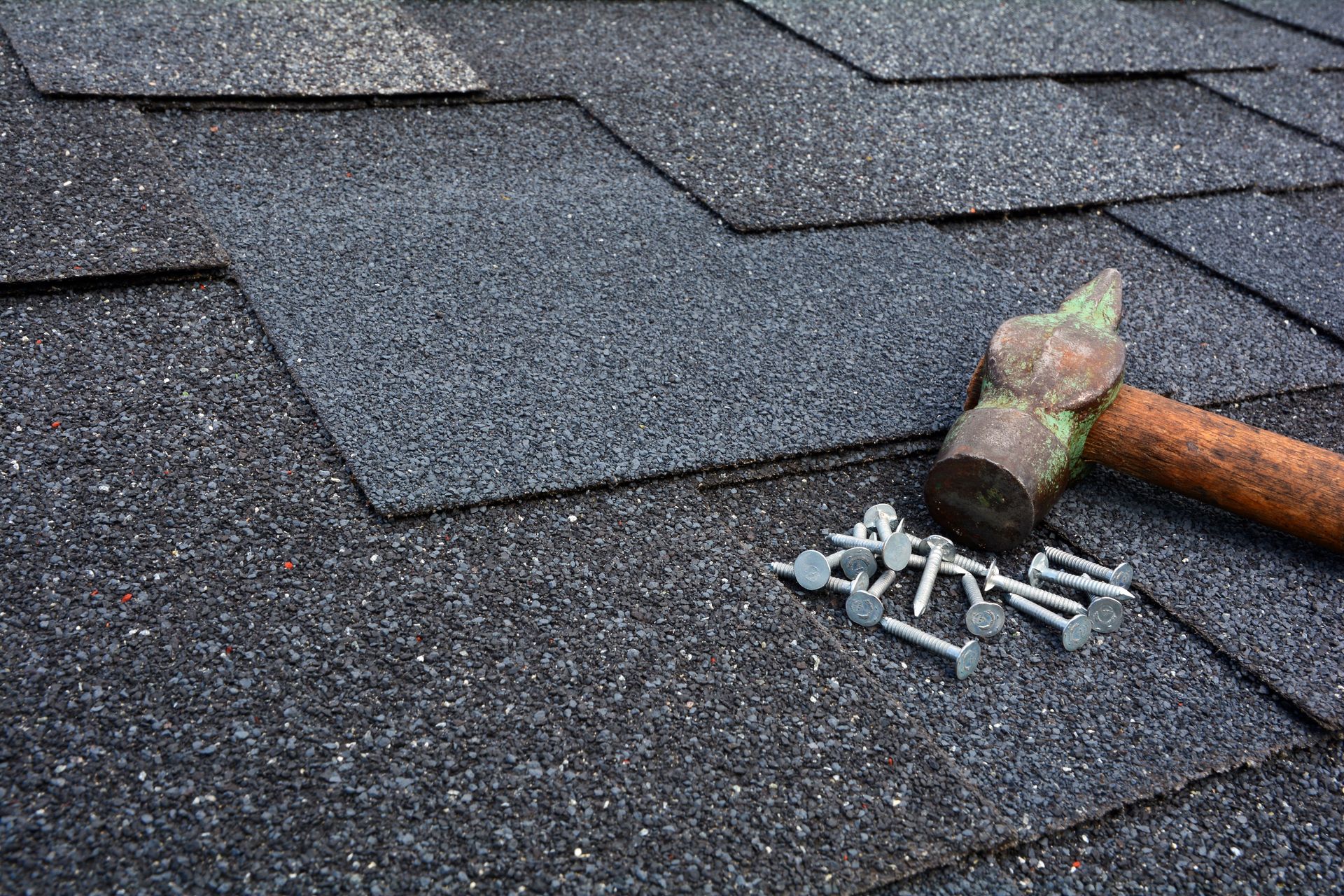
Shingles are your roof's first layer of defense. They are designed to interlock and shed water efficiently. When shingles are compromised, they expose the underlayment and decking to moisture, beginning the cycle of deterioration.
- Missing Shingles: After a severe storm or high winds, check your yard and surrounding property for loose shingles. A missing shingle creates an immediate vulnerability, a direct pathway for water to seep in. Even one missing shingle can allow enough water intrusion to cause significant damage over time, especially around vulnerable areas like valleys or eaves. If you see bare spots, don't wait for the next rainfall; call a reputable roofing contractor to have them replaced.
- Cracked or Broken Shingles: Shingles can crack due to hail impact, thermal expansion and contraction (weather extremes), or simply old age. Cracks allow water to penetrate beneath the surface. From ground level, look for straight-line cracks or crescent-shaped splits.
- Curling or Cupping Shingles: This is a classic sign of aging. Curling shingles have edges that lift and curl inward or outward, while cupping shingles look concave, like a shallow bowl. Both conditions prevent water from draining properly and can be highly susceptible to being ripped off by the wind.
- Granule Loss: Asphalt shingles have a protective top layer of small, ceramic granules that shield the asphalt from UV rays. As shingles age, these granules shed. If you notice large piles of sand-like particles in your gutters or downspouts, your roof is losing its UV protection, speeding up the aging process.
You Spot Water Stains on Interior Walls or Ceilings
This is the most alarming and immediate sign of a roofing problem. By the time water stains appear inside your home, the leak has likely been active for a while, meaning damage to the sub-structure, insulation, and interior finishes has already occurred.
- Visible stains: Look for discolored areas, typically brown or yellowish, on ceilings or running down walls. The stain might not be directly below the leak; water often travels along rafters or through the attic space before dripping down.
- Dampness or musty odors in the attic: If you can safely access your attic, look for signs of moisture. Wet rafters, damp insulation, or a persistent musty smell are clear indicators of water infiltration. This moisture is a perfect breeding ground for mold and mildew, which can pose serious health risks.
- Peeling paint or wallpaper: Water leaking into the home, especially near the roofline, can cause paint to bubble and peel or wallpaper to lift away from the wall. This is a common sign of ice damming in colder climates, but it can also be caused by direct roof leaks.
Never assume a small ceiling stain is a minor issue that will fix itself. Water damage spreads quickly, and what starts as a simple repair could turn into a full roof replacement plus extensive interior remediation. Immediately contact a roofing contractor to locate the source and stop the leak.
Your Gutters Are Filled With Debris and Shingle Granules
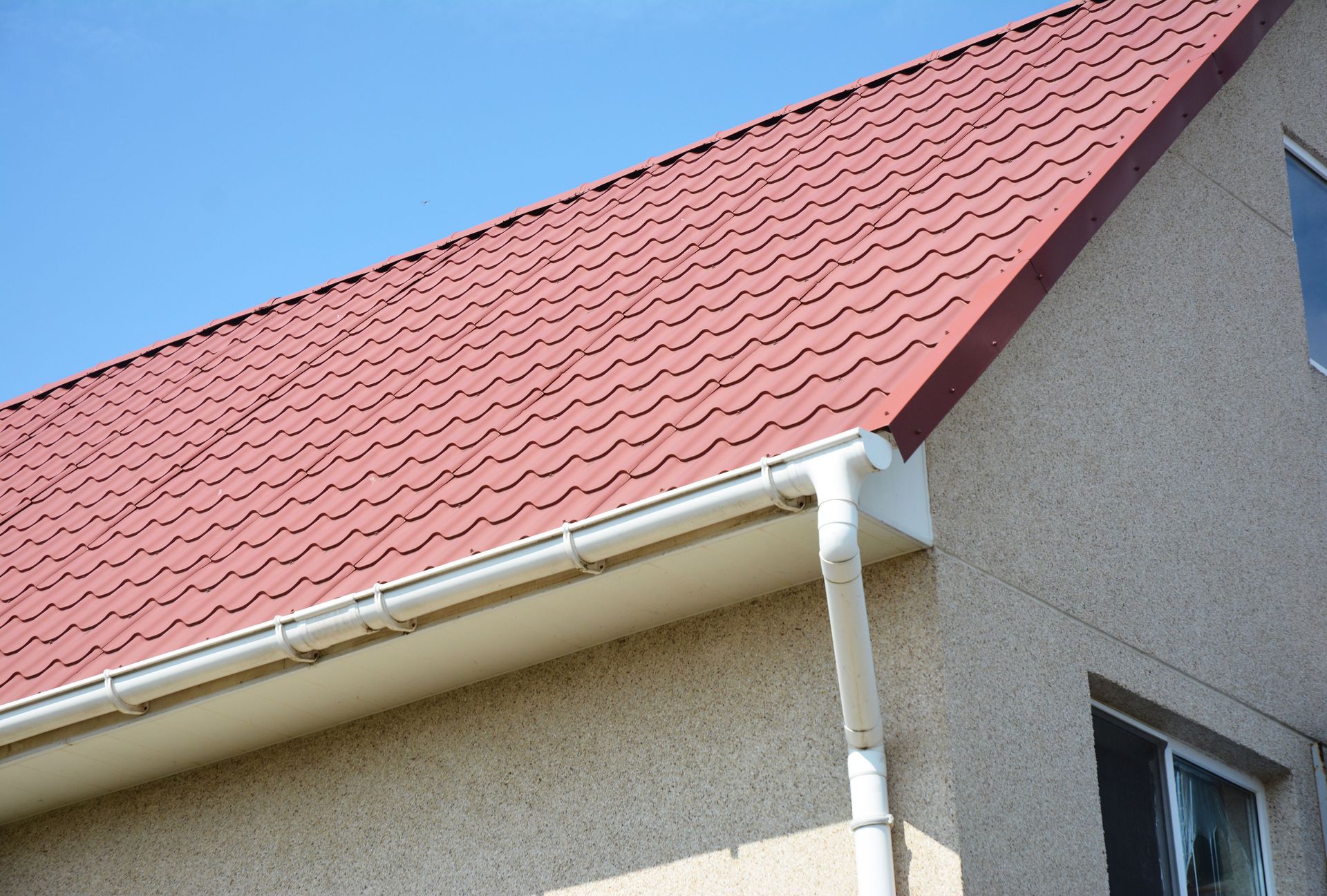
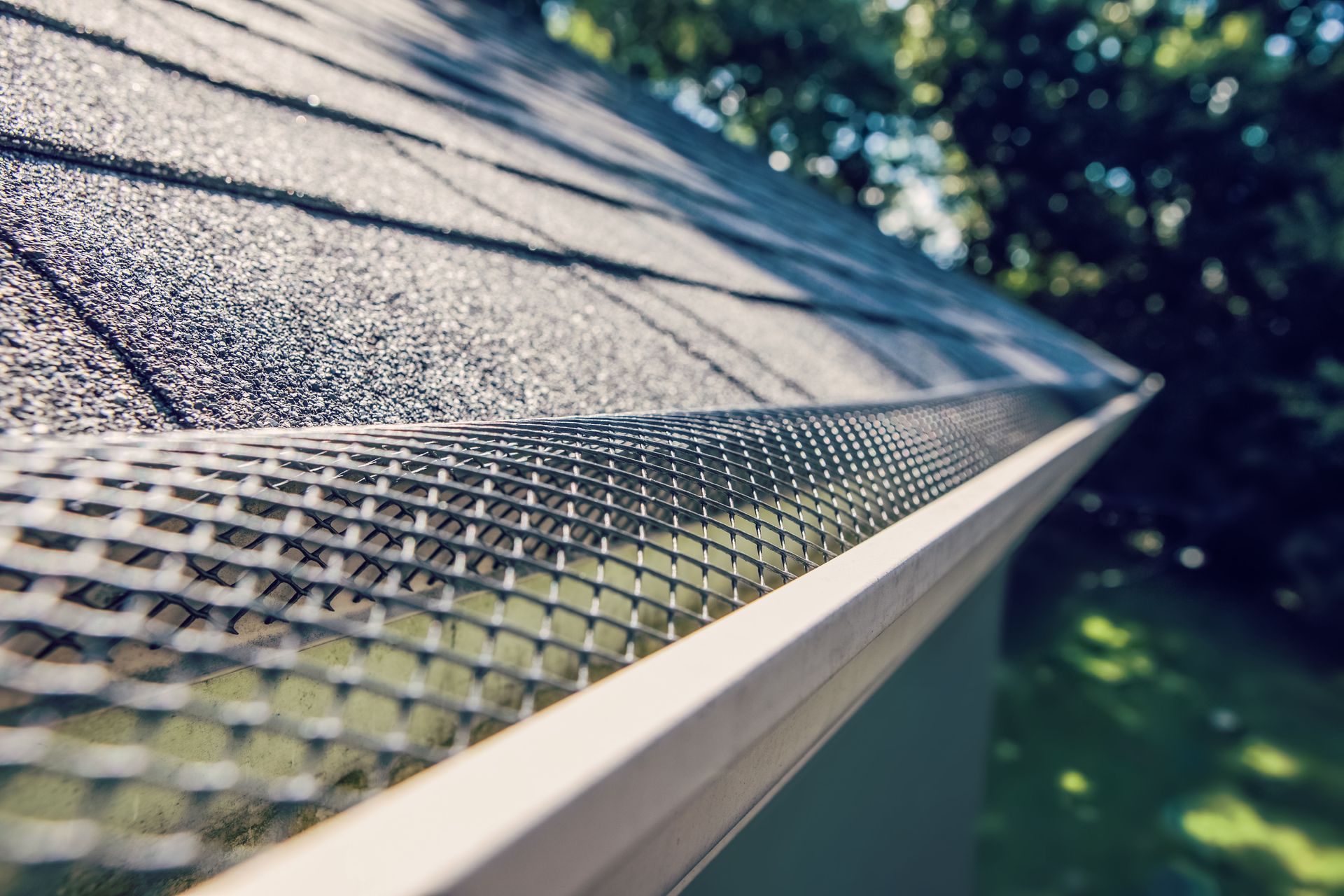
Your gutters are designed to manage rainwater runoff and direct it away from your home's foundation. However, they can also serve as a barometer for your roof's health.
- Excessive shingle granules: As mentioned, a small number of granules in the gutter is normal. But if you see thick, concentrated piles of these asphalt grains, it means your shingles are rapidly deteriorating. This is a clear signal that the roof is past its prime, and replacement may be necessary.
- Gutter sagging or detachment: Heavy, clogged gutters can pull away from the fascia board. This creates stress not just on the gutters, but on the area of the roof and framing they are attached to. If your gutters are pulling away, it needs to be addressed quickly, and it's a good time to have a roofing contractor inspect the entire gutter-to-roof system.
- Plant growth: Moss, algae, or small saplings growing in the gutters or on the roof surface itself can cause serious damage. They hold moisture against the roof, which accelerates shingle degradation and can lead to wood rot.
Your Roof Is Simply Getting Old
Age is the single biggest predictor of roof failure. In our experience, most asphalt shingle roofs are designed to last between 20 and 30 years, depending on the material quality and climate. If your roof is approaching or has exceeded its expected lifespan, you should have it professionally inspected annually, even if you don't see obvious signs of failure.
- Knowing the age: If you're the original homeowner, you likely know the age. If not, a professional roofing contractor can often estimate the age based on the shingle style and condition. Home inspection reports from when you purchased the home may also contain this information.
- Neighboring roof replacements: If you live in a development where all homes were built around the same time and your neighbors are starting to get new roofs, yours is likely due as well.
It is better to proactively replace an old roof than to reactively replace one after a major failure. An old roof will fail in the worst possible weather, leaving you vulnerable. According to Verisk, 38% of residential homes in the U.S. have roofs with moderate to poor condition issues, underscoring the widespread need for timely maintenance and replacement.
You Notice Sagging or Visible Light in the Attic
These are signs of significant structural compromise that require immediate attention from a qualified roofing contractor.
A sagging roofline: Stand back from your home and look at your roofline. It should be straight and level. A dip or sag, particularly in the middle of the roof, indicates that the decking or the underlying structure (rafters or trusses) is compromised. This is usually caused by long-term water damage leading to wood rot, or by carrying an excessive load (like heavy snow or poor ventilation).
Light visible in the attic: Go into your attic on a sunny day and turn off all the lights. If you can see sunlight streaming through the roof decking, you have holes, gaps, or poorly sealed joints. While minor light seepage near the chimney or vent flashing is not uncommon, large shafts of light mean immediate leak potential. This is a clear indicator that the roof's integrity is compromised and needs urgent repair by a professional.
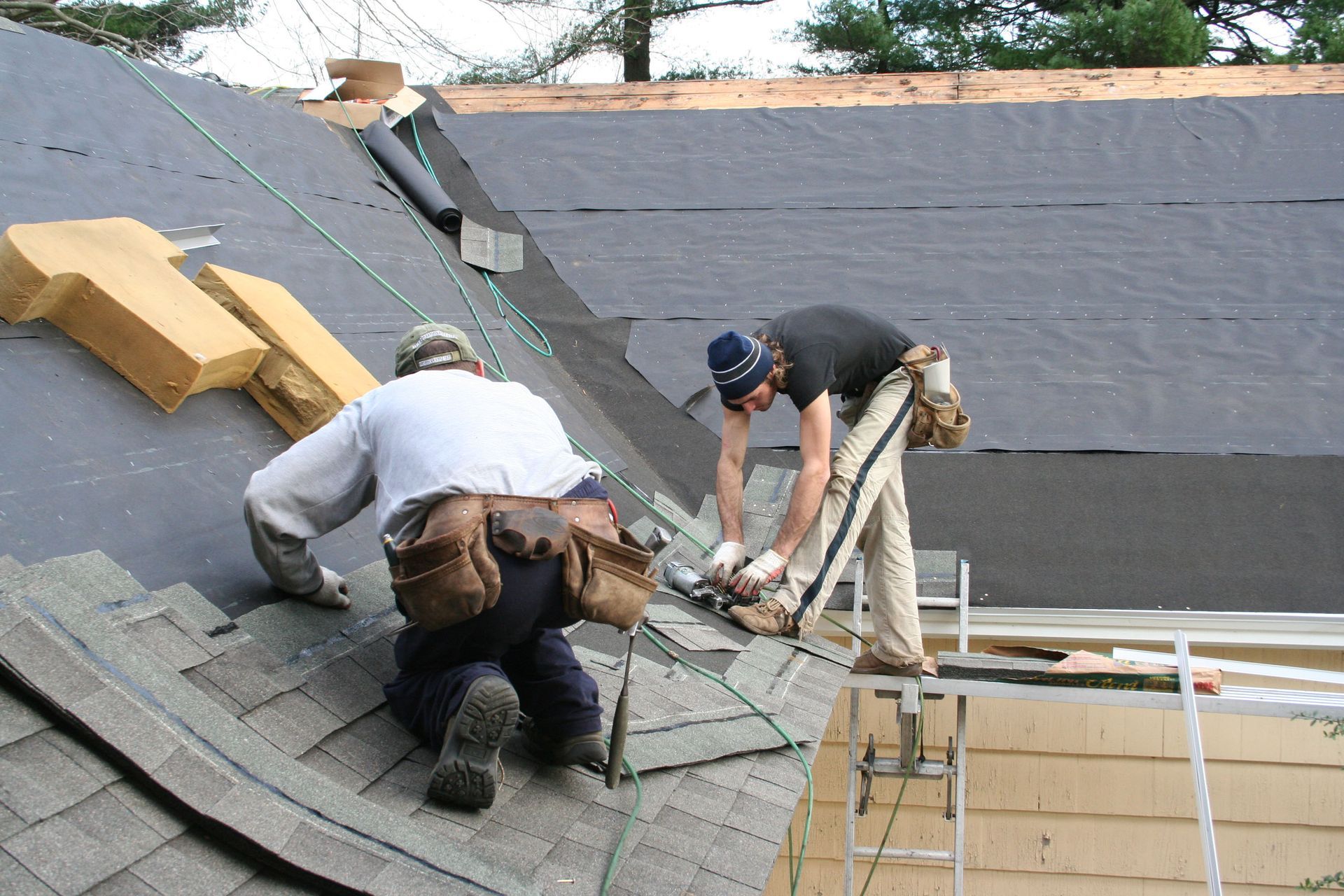
A functional roof is non-negotiable for a safe and secure home. Ignoring the early warning signs of roof deterioration will inevitably lead to more complex, expensive, and stressful repairs down the line. Whether you are dealing with missing shingles, interior water stains, or a roof that is simply past its prime, the best course of action is to contact a licensed and insured roofing contractor. They have the expertise and the safety equipment rental to perform a thorough inspection, accurately diagnose the problem, and provide long-lasting solutions, protecting your most important investment — your home. If you're looking for a reputable roofing contractor, call Pine Belt Gutters & Baggett Roofing today!