Roof leaks are a prevalent issue that many homeowners will experience at some point over the life of their homes. A leaking roof is more than a mere inconvenience as it can lead to various structural damages, pose health risks, and result in costly repairs if not addressed promptly. Given that, according to ServiceTitan, 40% of roof complaints are related to leaks, it underscores the importance of recognizing potential problem areas early. Addressing these concerns with both immediate and preventive measures from a qualified residential roofer ensures that the structural and aesthetic integrity of the house remains intact.
Identifying Poor Roof Installation
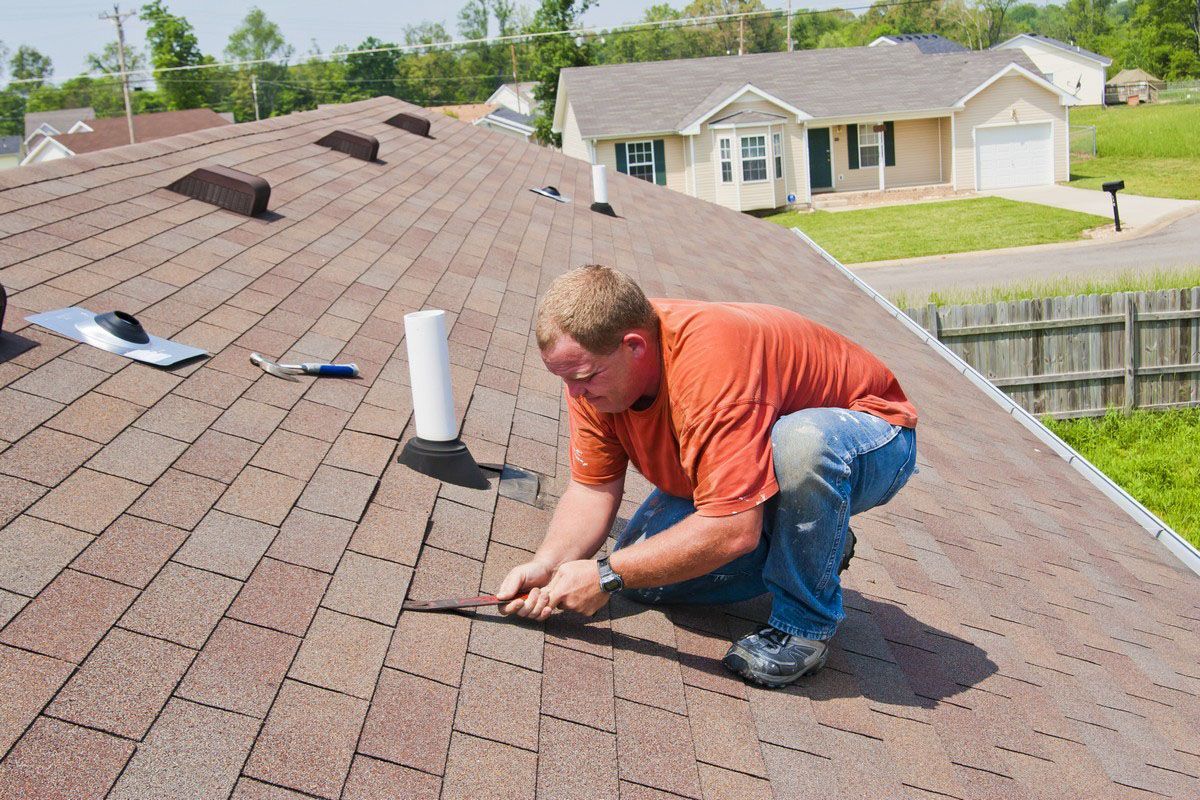
Poor installation refers to improperly fitted or secured roofing materials or components. Indicators include uneven shingles, improperly seated flashing, or signs of water pooling. These problems can arise from hiring unqualified contractors who cut corners or use inferior materials. Misalignment of roofing components often results from a lack of adherence to manufacturer guidelines. Failing to recognize these indicators in time can compound underlying issues, making leaks more probable.
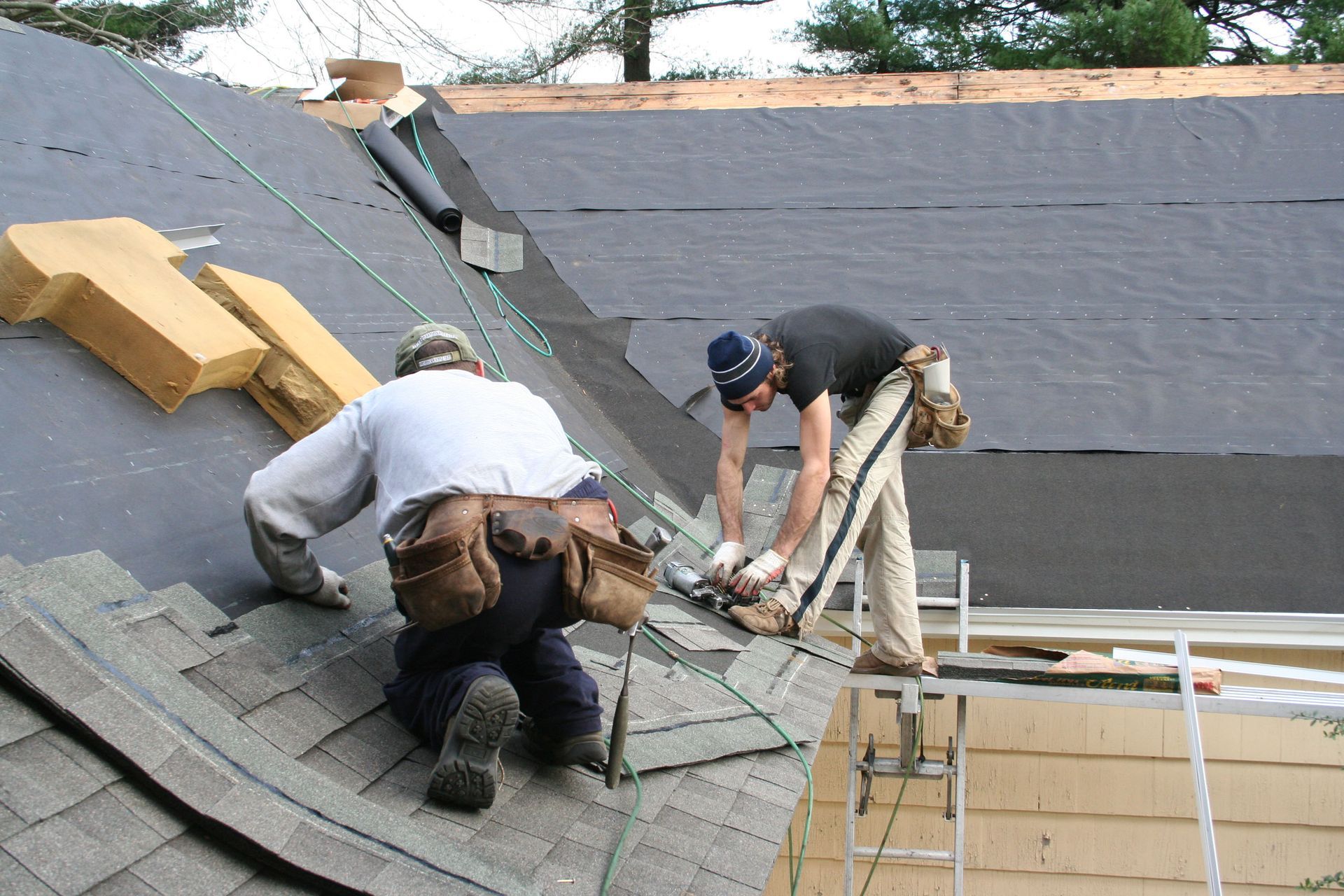
A residential roofer knows that the integrity of a roof depends heavily on the quality of its installation. Poorly executed installations can allow water to penetrate seams and junctions, compromising the roof's protective function. Without proper sealing, even minor storms or consistent rainfall can cause significant damage over time. Professional installation by a skilled residential roofer helps prevent rotting structures, mold growth, and costly repairs, ensuring the roof remains durable and reliable.
Common errors during roof installation include incorrect application of underlayment, unsuitable shingle placement, and compromised flashing integrity. These mistakes can lead to the creation of gaps that let water seep in. Additionally, failing to secure materials properly often results in sections of the roof becoming misaligned during strong winds. Another frequent issue is not installing adequate ventilation, which can affect the roof's overall longevity. Each of these mistakes sets a precedent for leaks and necessitates costly future repairs.
Preventing Weather-Related Roof Damage
A residential roofer understands that heavy rainfall is a major contributor to roof leaks, especially when a roof’s design fails to manage water flow effectively. Water can seep into small cracks and crevices that develop naturally over time, compromising the roof's integrity. Continuous exposure to rain can also erode protective layers such as shingles or tiles, accelerating wear. By addressing drainage issues and ensuring proper sealing, a residential roofer helps prevent leaks and protects the home from long-term water damage.
Snow and ice pose unique challenges due to their potential for accumulation and subsequent weight stress on the roof. The formation of ice dams occurs when melting snow refreezes at the edge of the roof, preventing proper drainage. This blockage results in water backing up and seeping through roofing materials into the home. Additionally, the freeze-thaw cycles can intensify small gaps, worsening existing cracks. Homeowners should consider attic insulation improvements to mitigate snow and ice impacts by preventing the heat loss that exacerbates ice dam formation.
Roofs must withstand substantial pressure and force during strong winds and storms. Unsecured shingles or displaced flashing are common signs of wind damage, allowing rain to penetrate underlying structures. Even well-installed roofs face strain under severe conditions, with older structures being particularly susceptible. The aftermath of storms often requires immediate inspection to ensure that unforeseen damage doesn't go unaddressed. This preventive step safeguards against escalating small penetrations into significant leak sources.
Inspecting Faulty Flashing and Seals
A residential roofer knows that flashing is a vital roofing component, usually made of metal, designed to channel water away from seams and joints. It is strategically placed around areas like chimneys, vents, and valleys to maintain a watertight seal. Improper installation or deterioration can create weak points, allowing water to penetrate the roof. Regular inspections and maintenance by a residential roofer help ensure flashing remains effective, reducing the risk of leaks and long-term damage.
Common flashing issues include corrosion, which is prevalent in older roofs with metal components. Additionally, improper installation or use of inadequate materials often leads to separated or poorly fitting flashing. Such gaps expose roof interiors to water infiltration. The presence of cracks or deformed flashing indicate potential areas susceptible to leaks. These problems highlight the necessity of vigilant inspections and timely repairs to prevent serious damage.
Faulty flashing is a leading contributor to water infiltration issues. When flashing becomes dislodged or deteriorates, it creates entry points where water can penetrate the roof's substructure. Minor roof flaws quickly escalate under persistent water exposure, proliferating inside the home. Timely repair of flashing complications can prevent the extended impact of water damage. This emphasizes the connection between sustained roof health and appropriate flashing management.
Managing Aging Roof Materials
A residential roofer understands that as roofs age, their ability to withstand environmental pressures decreases significantly. Over time, the protective granules on shingles wear away, reducing both reflectivity and waterproofing effectiveness. Aging roofs become more prone to leaks, particularly during heavy rain or strong winds, while deteriorating caulking and sealants create additional vulnerabilities. Regular inspections and timely maintenance by a residential roofer help address these issues before they lead to major damage.
Common indicators of an aging roof include curling shingles, missing granules, and visible cracks. These signs signal compromised protection and potential leak points. Inside the home, water stains on ceilings or walls offer further confirmation of roof breakdown. Regular reviews help identify aging signs early and address their underlying causes. Addressing these signs promptly allows homeowners to extend the roof life, fending off immediate replacement costs.
Extending a roof’s longevity hinges on disciplined maintenance routines and proactive upgrades. Minor repairs, timely sealing, and periodic cleaning can curtail early aging effects. Adding protective coatings or improving insulation also wards off environmental hazards. Supplementing aged roofs with modern material technologies augments overall performance. Each of these measures supports the dual goal of postponing replacement and maximizing existing asset value.
Performing Proper Roof Maintenance
Regular maintenance is imperative in keeping a roof in optimal condition and preventing leaks. Consistent upkeep assists in identifying minor issues before they escalate, reducing significant repair costs over time. Proactive maintenance also extends the life expectancy of the roof, providing sustained protection against external elements. Developing a regular schedule that's adhered to ensures consistent attention to potential vulnerabilities.
A professional residential roofer emphasizes the importance of regular maintenance to prevent minor issues from escalating into major problems. Overlooking small damages or delaying necessary repairs can compromise the roof's overall integrity. Neglecting tasks such as gutter cleaning or addressing minor leaks allows water and debris to accelerate wear over time. Additionally, a residential roofer ensures that flashing and sealants are properly maintained, reducing the risk of water infiltration and long-term deterioration.
An annual inspection checklist is a useful tool in maintaining roof health and preventing leaks. It should cover all critical areas, including shingles, flashing, gutters, ventilation, and seals. Particular focus should also be given to water stains or signs of moisture within the home's structure. Identifying these issues early allows timely repairs, forestalling greater structural damage.
A skilled residential roofer plays a vital role in identifying and addressing the various causes of roof leaks, helping maintain the integrity of your home. By focusing on proper installation, routine maintenance, and protection against weather-related damage, a residential roofer ensures your roof remains resilient. Understanding common areas of vulnerability allows homeowners to take proactive steps and prevent minor issues from becoming major problems. To protect your roof from damaging leaks, contact Pine Belt Gutters & Baggett Roofing.