November 7, 2026
Severe storms bring fierce winds, heavy precipitation, and flying debris that test every boundary of a building exterior. When high winds tear shingles from decking or tree branches crash down onto a residential structure, property owners often face an overwhelming scenario. The initial instinct might be to wait until the weather completely clears, assess things slowly over the following weekend, or manage daily routines first. Delaying action after severe weather strikes can transform minor exterior vulnerabilities into extensive structural complications within hours.
A compromised roof leaves the interior of a property exposed to wind-driven rain, pooling water, and ambient humidity. Moisture intrusion does not pause while daily schedules are sorted out. Water immediately begins seeping into insulation, saturating ceiling boards, weakening structural rafters, and fostering damp conditions that encourage microbial colonization. Arranging emergency roof repairs without delay halts active deterioration, preserves structural integrity, and protects interior living spaces from preventable devastation.
Understanding the Immediate Dangers of Storm Exposure
Severe weather exposes physical vulnerabilities across entire roofing surfaces. When heavy gusts displace protective materials or hail compromises critical seams, water finds tiny structural openings and exploits them rapidly.
Recognizing Wind Damage Across Shingle Surfaces
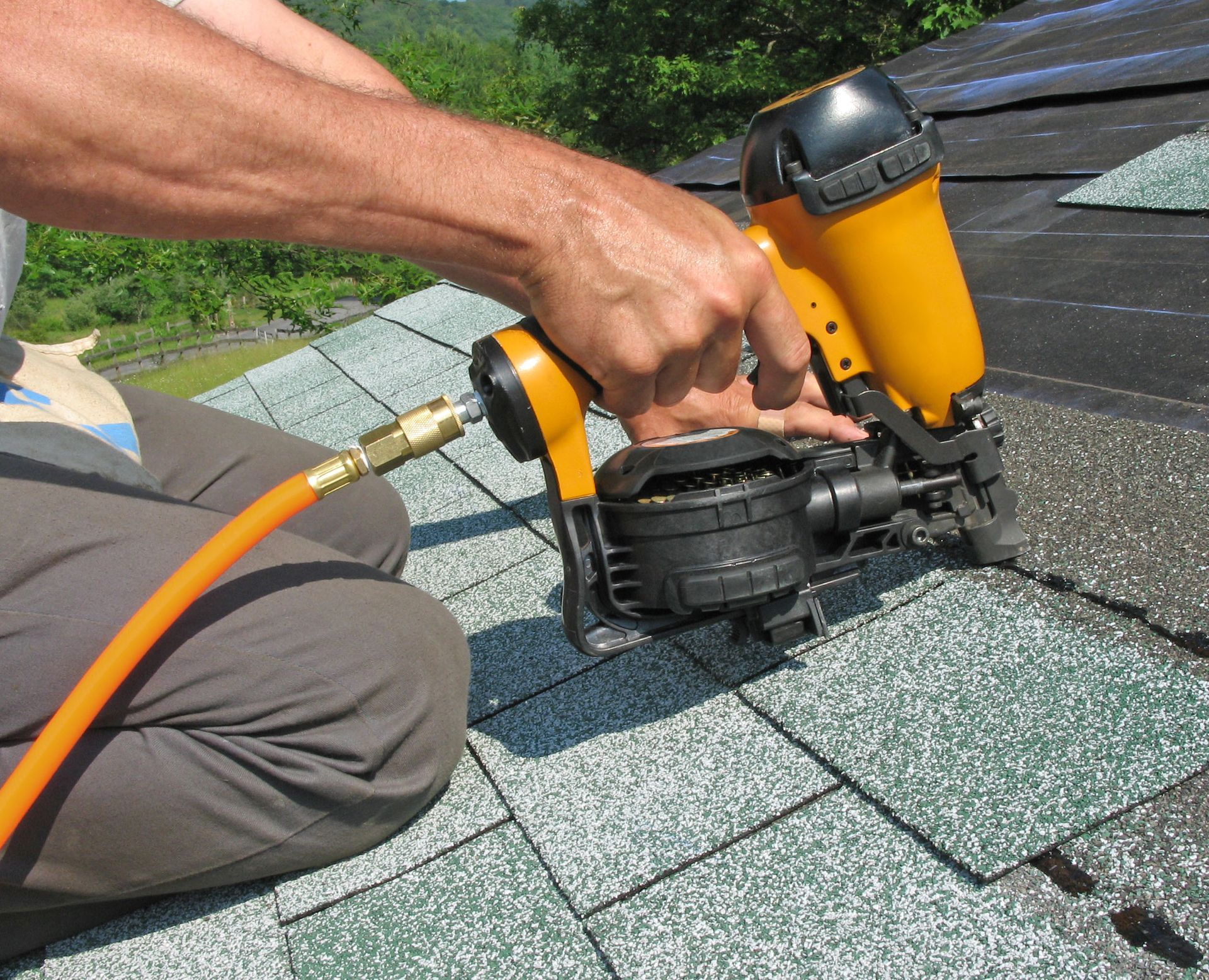
High winds rarely strip entire roofing systems bare in a uniform, obvious manner. Frequently, strong gusts create subtle uplift along roof perimeters, hips, and ridges. This persistent upward pressure breaks the adhesive seals beneath asphalt tabs, leaving materials vulnerable to tearing away during subsequent wind cycles. When shingles crease, tear, or fly off entirely, the underlayment underneath absorbs moisture rather than repelling it. Without prompt emergency roof repairs, pooling rainwater bypasses this secondary barrier, seeping directly into roof decking and saturating attic spaces beneath.
Identifying Impact Hazards Caused by Falling Debris
Falling tree limbs represent another severe hazard during intense storm activity. Heavy branches puncture wooden decking, shatter protective barriers, and dislodge flashing along critical roof valleys. Even smaller limbs dragged across shingles by turbulent winds scrape away essential mineral granules, leaving the underlying asphalt exposed to rapid solar breakdown and moisture saturation. When an impact breaches an overhead structure, scheduling emergency roof repairs ensures skilled technicians stabilize the penetration, apply durable coverings, and prevent incoming squalls from causing widespread indoor flooding.
Analyzing the Compounding Effects of Moisture Infiltration
Water intrusion creates an escalating chain reaction throughout an entire building. What begins as an isolated drip in an attic can migrate rapidly into wall assemblies, finished ceilings, and flooring.
Preventing Interior Insulation and Drywall Destruction
Attic insulation functions much like a massive sponge when exposed to rainwater. Saturated fiberglass or cellulose insulation rapidly loses thermal efficiency while holding moisture directly against ceiling drywall and wooden joists. Over time, the trapped moisture softens drywall panels until ceilings sag, blister, and potentially collapse into living quarters below. Contacting experienced professionals for emergency roof repairs prevents trapped moisture from accumulating to the point where interior finishes require complete tear-out and reconstruction.
Halting Accelerated Fungal Growth in Confined Spaces
Dark, warm, and humid environments within attic cavities and wall assemblies serve as fertile grounds for fungal development. Microscopic spores begin colonizing damp building components in as little as twenty-four to forty-eight hours following initial moisture penetration. Once spores establish active colonies inside insulation, framing, and interior wallboards, remediation becomes substantially more complex and costly for property owners. Seeking emergency roof repairs right after severe weather halts incoming water and starves potential fungal growth of the continuous moisture required to expand.
Mitigating Electrical Risks and Concealed Wiring Hazards
Beyond structural surfaces and insulation, infiltrating rainwater poses a serious threat to hidden utility lines within upper crawlspaces. Modern residential structures route extensive electrical wiring, junction boxes, and recessed lighting canisters directly through ceiling frameworks. When storm runoff tracks along wooden joists, it frequently pools around active electrical connections, causing short circuits, tripped breakers, and heightened electrical fire hazards. Moisture corrodes wiring terminals and damages connected fixtures behind walls long before dripping water becomes visible on painted drywall. Prompt intervention stops running leaks at the outer envelope, keeping interior electrical distribution systems dry, operational, and safe.
Protecting Essential Structural Framing and Exterior Systems
A roof does not function in isolation; it works in close coordination with rafters, eaves, fascia, and perimeter drainage components to direct water safely away from a building.
Preserving Wooden Rafters, Trusses, and Roof Decking
Prolonged moisture exposure severely undermines the structural capacity of wood. When moisture pools on plywood or oriented strand board decking, the adhesives break down, causing the wood to swell, warp, and delaminate. Saturated rafters and load-bearing trusses can eventually soften and rot, leading to sagging roof ridges and distorted exterior lines that threaten overall stability. Calling for prompt emergency roof repairs addresses structural dampness at the source, preventing foundational framing from degrading and maintaining the overhead load capacity of the home.
Safeguarding Perimeter Water Channels and Exterior Gutters
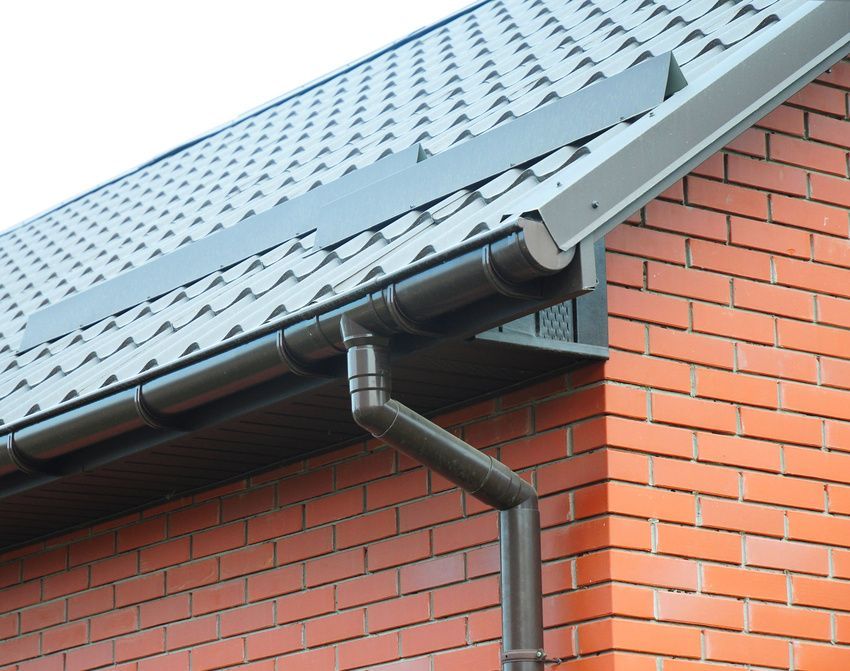
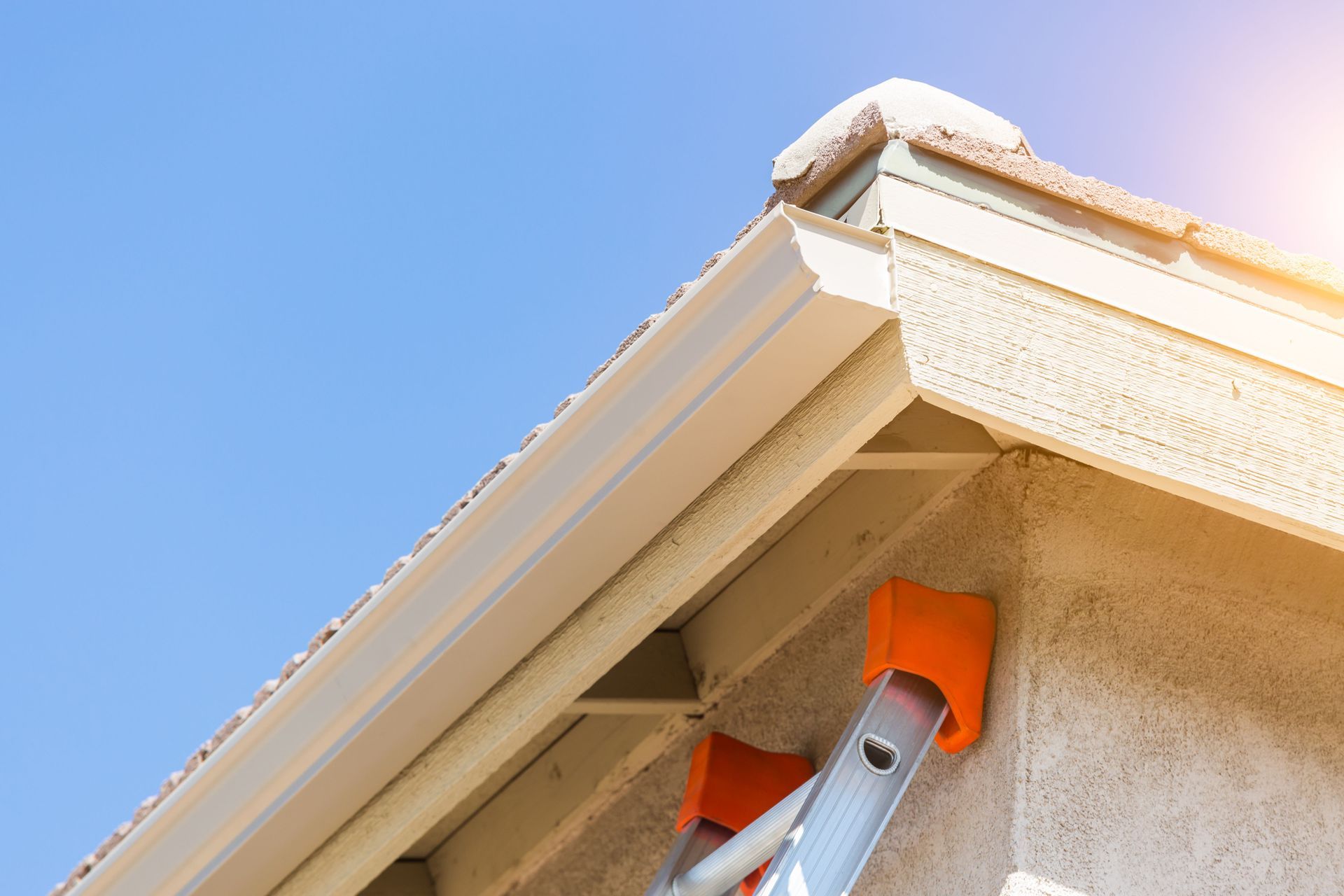
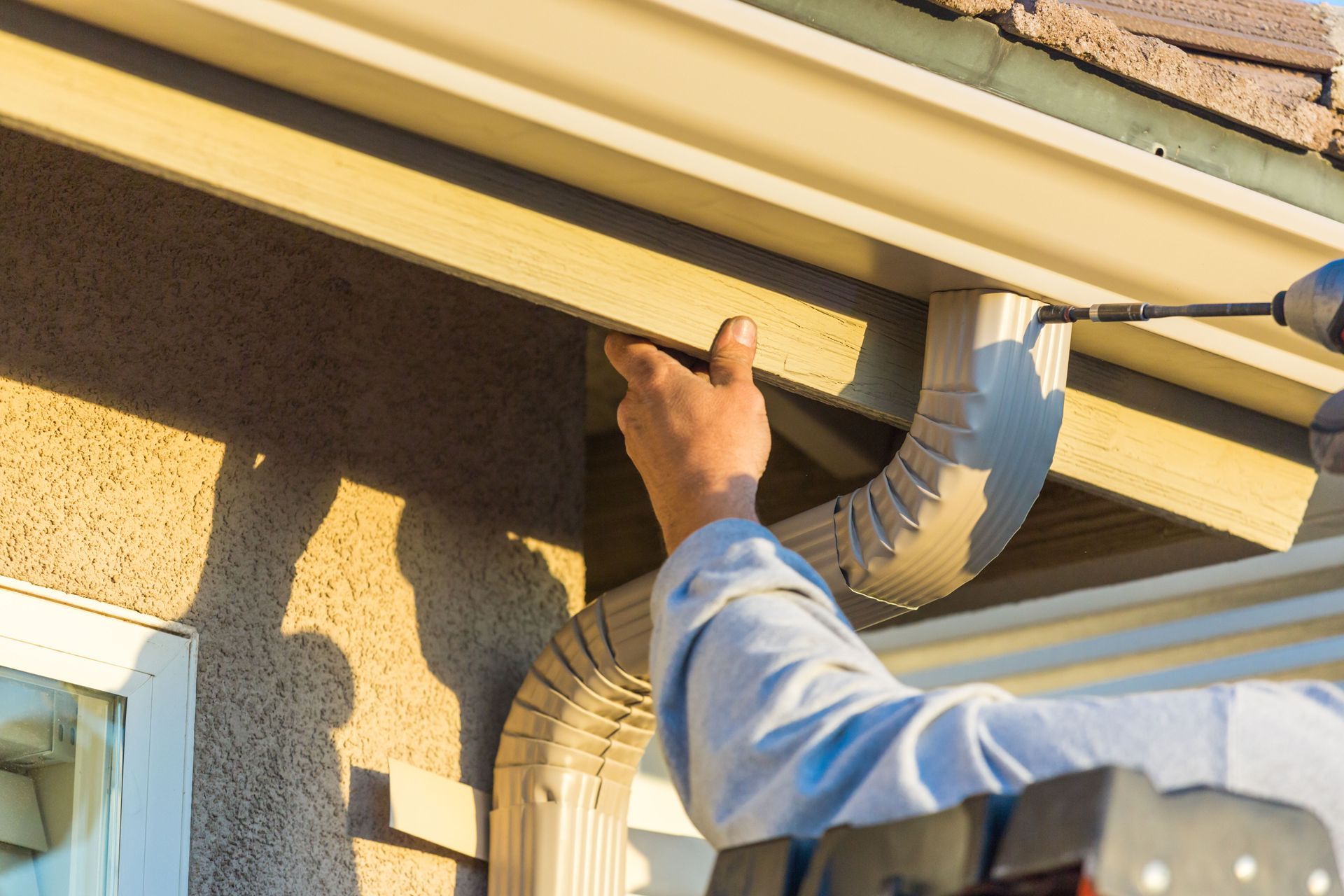
Stormwater running off an exterior structure must navigate drainage systems that may also have experienced severe mechanical strain during a weather event. Heavy gusts and falling branches frequently loosen hangers, detach downspouts, or fill drainage channels with heavy foliage and debris. When water cannot flow freely through drainage systems, it backs up behind eaves and rots fascia boards. According to Mordor Intelligence, aluminum represented 51.82% of the gutter market in 2025, illustrating how heavily residential exteriors rely on durable metal channels to handle immense runoff volumes. When structural damage alters how water leaves the roofline, scheduling emergency roof repairs ensures drainage systems and roof perimeters function together harmoniously to keep foundations safe from pooling water.
Executing Systematic Property Assessment and Remediation
Approaching storm recovery in a structured manner ensures that hidden structural issues receive thorough attention before they escalate into lasting property damage.
Documenting Exterior Property Conditions for Insurance Records
Before remediation work begins, gathering comprehensive evidence of the damage creates an organized historical account for insurance carriers. Property owners should safely photograph and record video of damaged shingles, torn flashing, displaced gutters, and any visible water staining indoors from stable vantage points. This organized visual documentation provides clear proof of how the weather event impacted specific property components. While waiting for technicians to arrive for emergency roof repairs, compiling clear visual evidence streamlines claims processing and gives contractors a helpful starting framework for required restorations.
Coordinating Professional Stabilization and Structural Remediation
Qualified technicians possess the necessary safety equipment, training, and materials to inspect hazardous exterior surfaces safely after severe weather events. Experienced roofing specialists quickly spot hidden moisture pathways around plumbing boots, skylights, and chimney flashing that untrained observers easily overlook. By securing loose components and implementing resilient water barriers, timely
emergency roof repairs halt further deterioration, providing building owners with a dependable recovery plan while protecting property assets from subsequent storms.
Severe storms leave unmistakable structural vulnerabilities that property owners should never push aside for later consideration. Allowing torn shingles, cracked decking, or bent gutters to remain unaddressed invites moisture to inflict compounding deterioration on framing, thermal insulation, and indoor living environments. Acting decisively to schedule prompt repairs safeguards your building equity, maintains interior safety, and shields your household from protracted recovery efforts. Whenever turbulent weather threatens the exterior defenses of your home, reach out to the dedicated team at Pine Belt Gutters & Baggett Roofing for comprehensive assistance to secure your property.