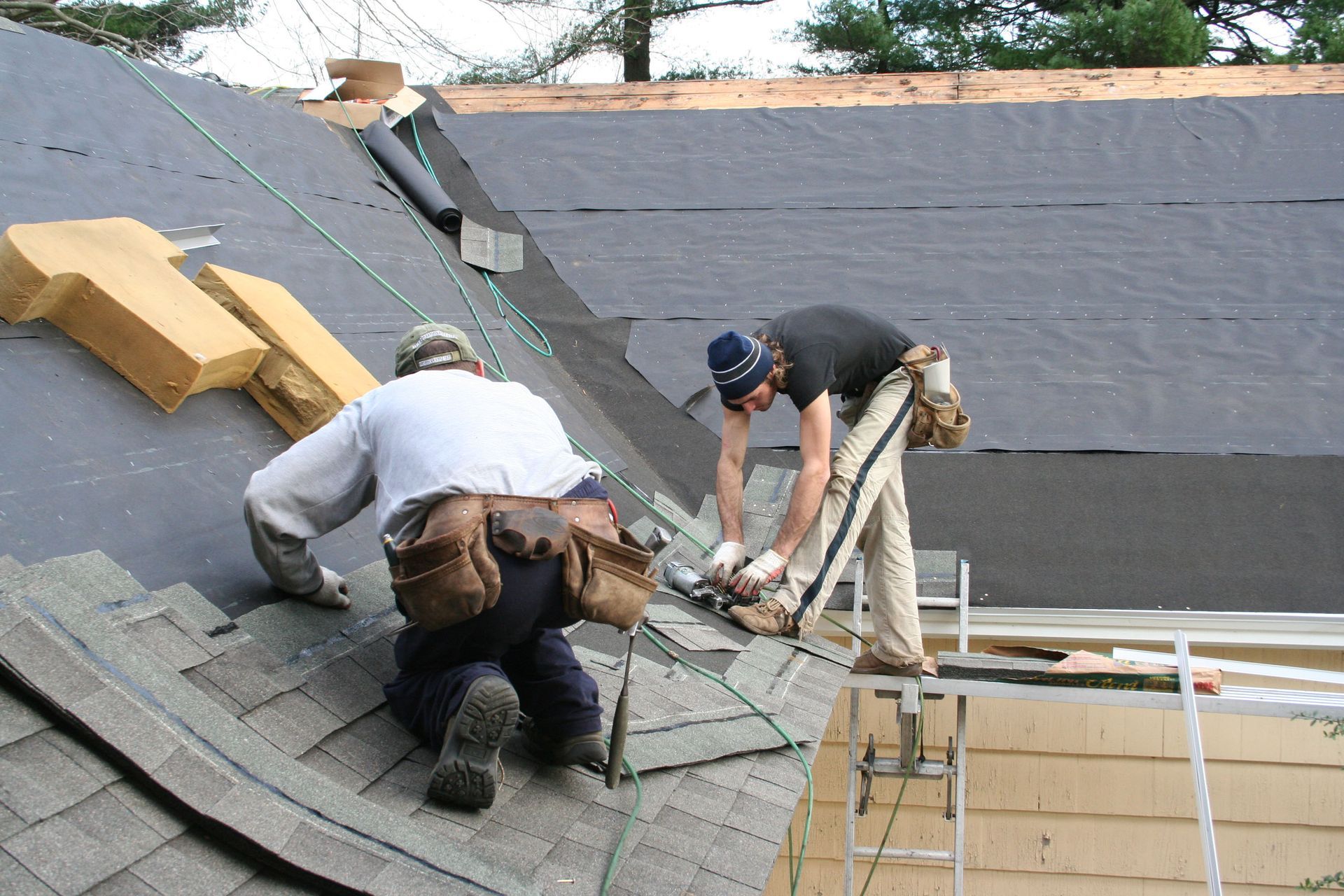
Maintaining a home is one of the most crucial responsibilities for property owners, with a sturdy top structure playing a pivotal role. A well-maintained surface not only ensures the safety and comfort of a household but also significantly contributes to a property's overall longevity. Understanding the link between residential roofing and the lifespan of a house requires an exploration of concepts like material choice, structural design, and consistent maintenance practices. Roofs act as the primary barrier against environmental elements, making their design and material choice vital for long-term durability. With the importance of this portion of a home, nearly four in five homeowners hire a professional roofing contractor, according to This Old House. A system that fails to weather storms or unbearably hot summers can lead to substantial structural damage. Therefore, emphasizing the importance of investing in robust systems is imperative for anyone looking to safeguard their home. Quality upkeep provides practical and economic advantages, encouraging property owners to make smart investments that protect their living spaces for decades.
The choice of what covers your home can greatly impact not only the longevity of your system but also the aesthetic and functional value of your entire property. Asphalt shingles, for instance, can last for twenty to thirty years, whereas alternative metal options can endure for fifty years or even longer. Tile systems, though heavy and requiring robust structural support, can last for a century, offering an excellent long-term return on investment. Each distinct material comes with specific requirements for upkeep and weather resilience, factors that property owners must carefully consider. The final decision about which option to install should always be informed by regional climate conditions, architectural style, and budget constraints. Moreover, the adoption of certain modern materials is heavily influenced by societal trends and environmental considerations, making it easier than ever to select options that balance durability with modern visual appeal.
Selecting Durable Structural Materials
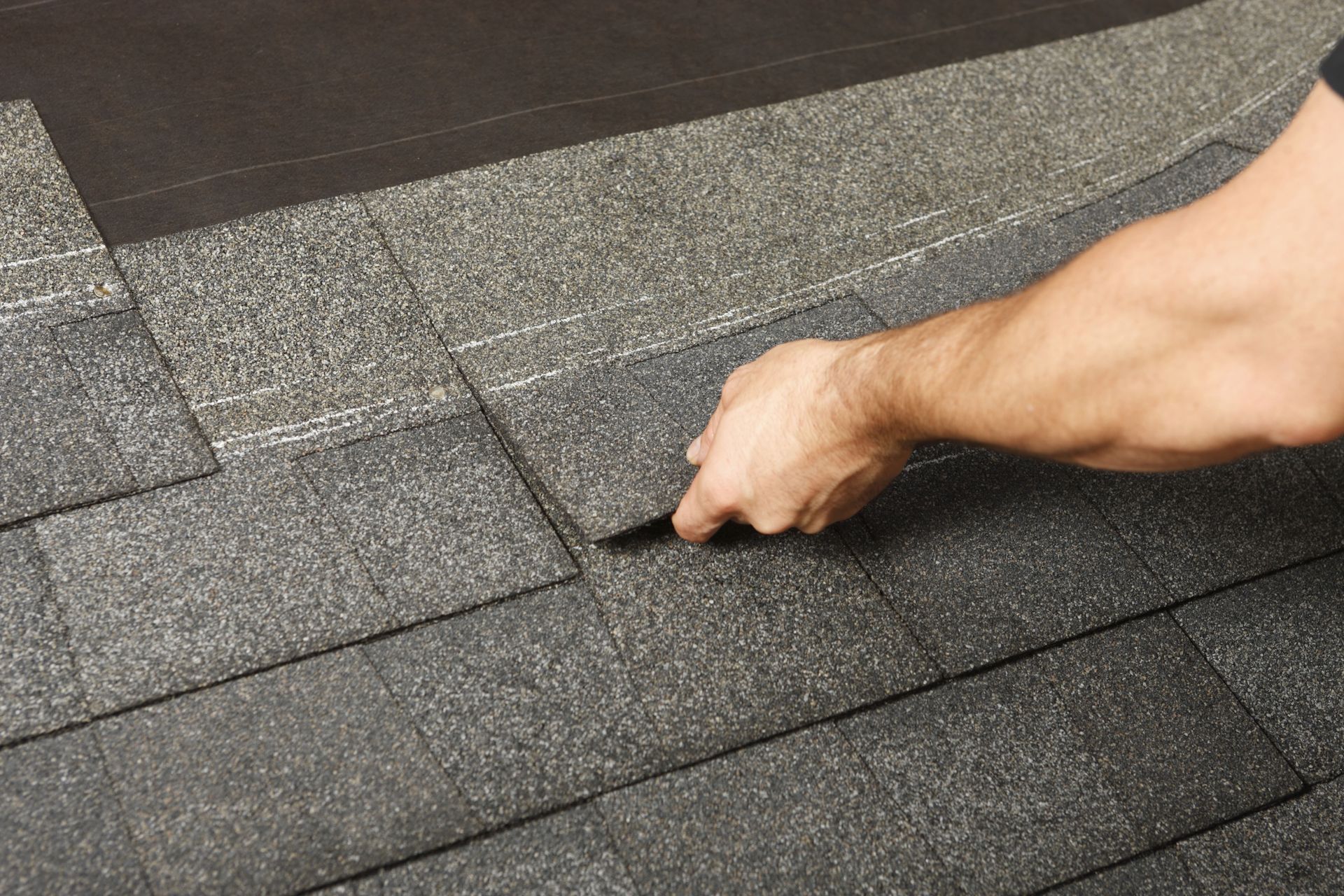
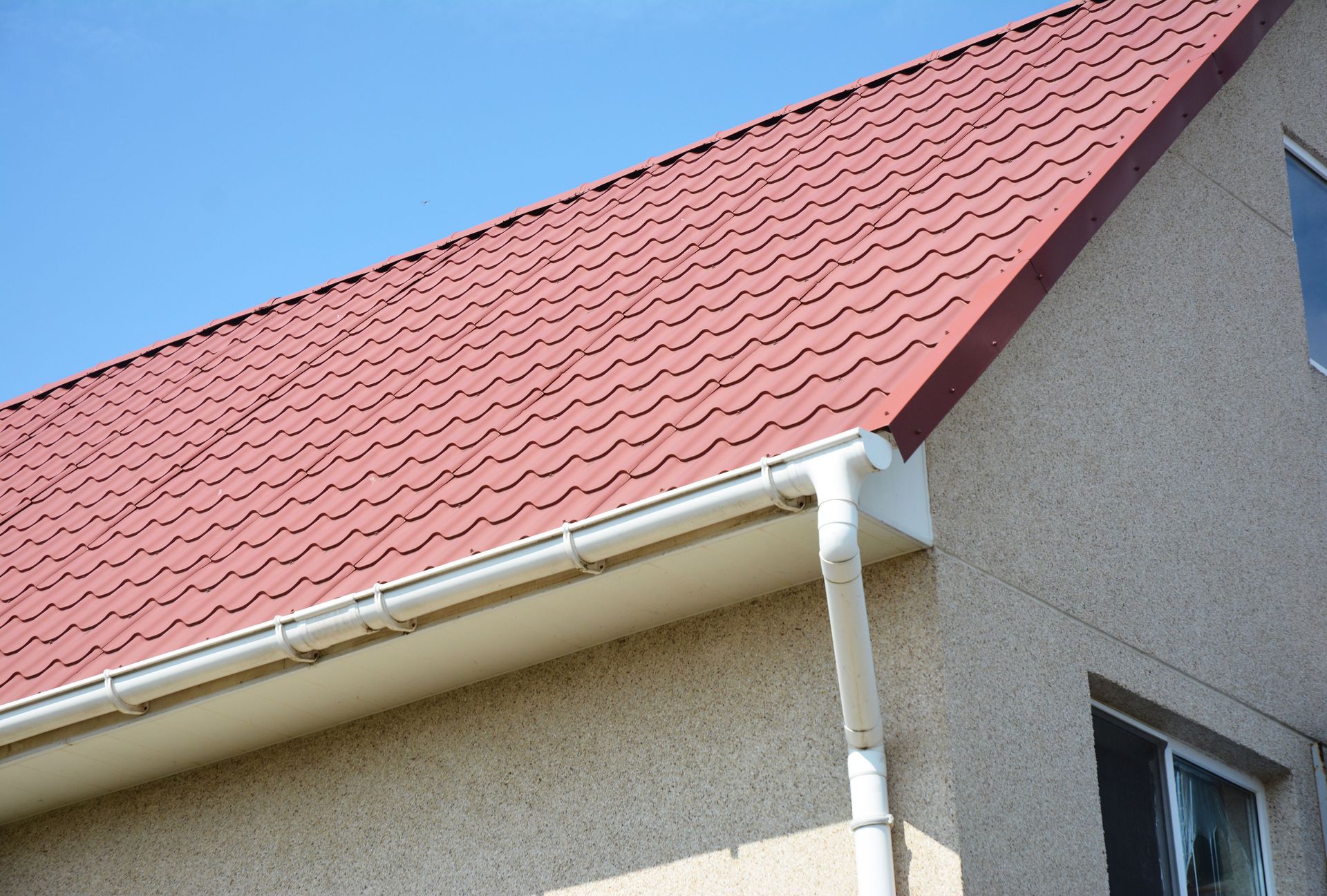
One of the most vital decisions in residential roofing is the choice of material. Asphalt shingles remain incredibly popular due to their affordability and ease of installation, though they may not be as durable as metal or tile. Tile offers exceptional longevity and a distinctive aesthetic but can be heavy and expensive. Metal solutions provide a balanced option, offering durability and energy efficiency, yet they may involve higher upfront installation costs. Each unique material has its specific benefits and drawbacks, making the selection process a critical aspect of long-term home maintenance strategy. Understanding how these materials interact with the local environment helps property owners select systems that provide optimal protection and require fewer interventions over time.
Designing Systems for Structural Integrity
The design of a protective system is much more than an architectural choice; it is a critical aspect of a home's structural integrity. Unlike materials that can be easily replaced, a poorly designed system can lead to systemic challenges like weak structural support and inadequate weather resilience. Steeply pitched designs, for example, are excellent for areas with heavy rainfall as they allow for efficient water runoff and prevent pooling. Conversely, flat designs suit urban areas due to their contemporary aesthetic and potential for rooftop gardens but need stringent waterproofing solutions. The implications of structural design extend far beyond simple appearance, directly impacting everyday maintenance needs and total durability.
Integrating Smart Protective Technologies
The integration of smart technology in modern design is a growing trend that can enhance the functionality and efficiency of traditional residential roofing. Intelligent systems that monitor moisture levels or subtle structural shifts can preempt common issues, providing early warning signals to property owners before damage spreads. With rapid technological advancements, these smart solutions become more affordable for the average homeowner, paving the way for a new era of proactive home management. Accordingly, design plays a pivotal role not only in the physical endurance of the protective barrier but also in augmenting the home's technological landscape, making it easier to maintain comfort.
Evaluating Regional Weather Resistance
Weather resistance is a prime consideration in residential roofing as systems are constantly exposed to varying environmental conditions. While metal options are renowned for their resistance to extreme weather, standard asphalt shingles might perform poorly during prolonged ice dams or heavy hailstorms. Tile options withstand wind and rain effectively; however, they can be prone to cracking in areas with frequent, severe temperature fluctuations. The choice of what protects your home should be heavily influenced by regional climate conditions to ensure that the system remains an asset rather than a liability, preventing untimely repairs and extending structural lifespans.
Maximizing Long Term Energy Efficiency
The energy efficiency of a home is immensely influenced by the choice of material and design, impacting both household comfort and monthly utility costs. Protective materials that offer high reflectivity can decrease total heat absorption, effectively lowering cooling costs during hot summer months. Metal options, for example, reflect solar heat well and can reduce cooling energy consumption by ten to twenty-five percent. The spiraling impacts of energy-efficient systems include improved insulation, enhancing heating and cooling performance while reducing overall wear on mechanical systems, ultimately leading to direct economic benefits alongside contributing to sustainability.
Sustaining Total System Cycles
The lifecycle of protective materials is a definitive aspect of their cost-effectiveness and long-term sustainability. Asphalt shingles typically offer a functional lifespan of twenty to thirty years, which might suit short-term property owners. Metal or tile solutions, on the other hand, can last anywhere from fifty to a hundred years, offering lasting benefits for those considering generational home investments. When secure in the longevity of quality materials, property owners are much more likely to avoid frequent, expensive structural projects. Ensuring that a system endures depends entirely on well-informed decisions regarding materials, design, and regular upkeep.
Preventing Internal Water Damage
Leaking and water infiltration represent some of the most prevalent issues plaguing residential roofing systems today. These problems often arise from aging materials, structural shifting, or inadequate sealing, compromising the primary function of protecting the home's interior from external elements. Persistent leaks can lead to water damage within attic spaces and interior walls, creating damp conditions ripe for biological growth, which can pose significant safety risks. A damaged barrier that allows water intrusion can quickly escalate into a complex structural situation, entailing substantial costs and major adjustments if left unaddressed.
Avoiding Complex Structural Failures
Structural damage arising from unaddressed issues often results from prolonged exposure to harsh elements or inadequate maintenance routines. A compromised barrier can exacerbate the wear and tear of supporting frameworks, threatening the entire home's physical stability. Broken or missing shingles invite water penetration into the underlying wood framework, weakening beams over time. An improperly supported configuration may lead to noticeable sagging or bowing, potentially resulting in dangerous situations in worst-case scenarios. Addressing and preventing structural damage is essential to ensure the physical safety and long-term survival of a house.
Adopting a proactive maintenance approach through scheduled evaluations significantly impacts the long-term durability and value of a home. Regular assessments provide clear insights into the wear-and-tear characteristics of a system, allowing property owners to plan ahead for future needs without facing unexpected surprises. The information gathered can inform strategic decisions, such as transitioning to more durable materials or upgrading insulation packages. Through evaluation routines, property owners can sustain the structural integrity of their investment, ensuring their protective systems provide dependable, long-lasting shelter. For dependable assistance with comprehensive upkeep, repairs, or protective enhancements, property owners can count on the dedicated professional solutions offered by Pine Belt Gutters & Baggett Roofing.